
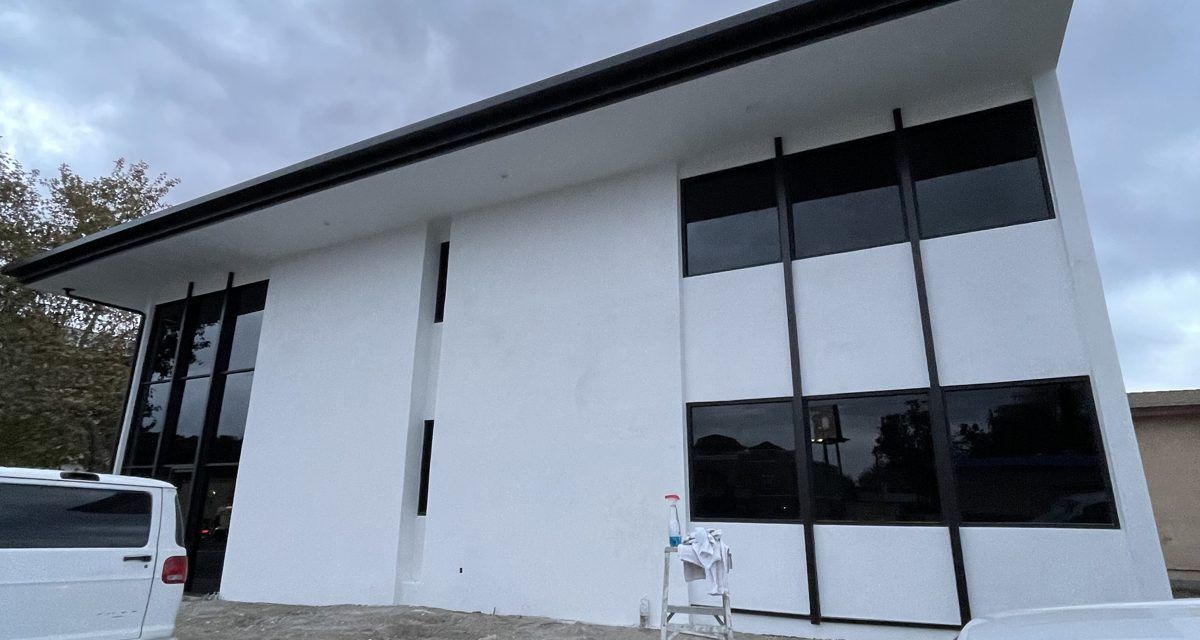
Stucco is one of the lowest-maintenance claddings a building can wear, which is exactly why it gets ignored until a leak shows up inside a unit. A simple annual rhythm keeps it boring, and boring is what you want.
Walk the building once a year
After the rainy season, walk every elevation and note: cracks wider than a credit card, staining below windows and scuppers, soft or hollow-sounding areas, and sealant that has pulled away at penetrations. Photograph everything and compare year over year.
Triage cracks honestly
Hairline cracks in the finish coat are cosmetic; log them. Cracks you can slide a card into deserve sealing this season. Stair-step cracks tracking along a story line or bulging areas mean water is already working behind the surface, and those go to the front of the budget.
Sealants fail before stucco does
The caulk joints around windows, doors, and penetrations have a 10 to 15 year life at best. Most 'stucco leaks' we investigate are sealant leaks wearing a stucco costume. Re-caulking a building costs a fraction of chasing interior water damage.
Budget the re-coat before it is urgent
An acrylic re-coat every 20 to 30 years resets the clock on the whole envelope: color, waterproofing, and hairline crack bridging in one scope. Managers who plan it get competitive pricing; managers who react to failures pay rush rates plus the interior repairs.
We run maintenance walk-throughs for Orange County, LA, and San Diego properties, free. If the report says you need nothing, that is what it will say.